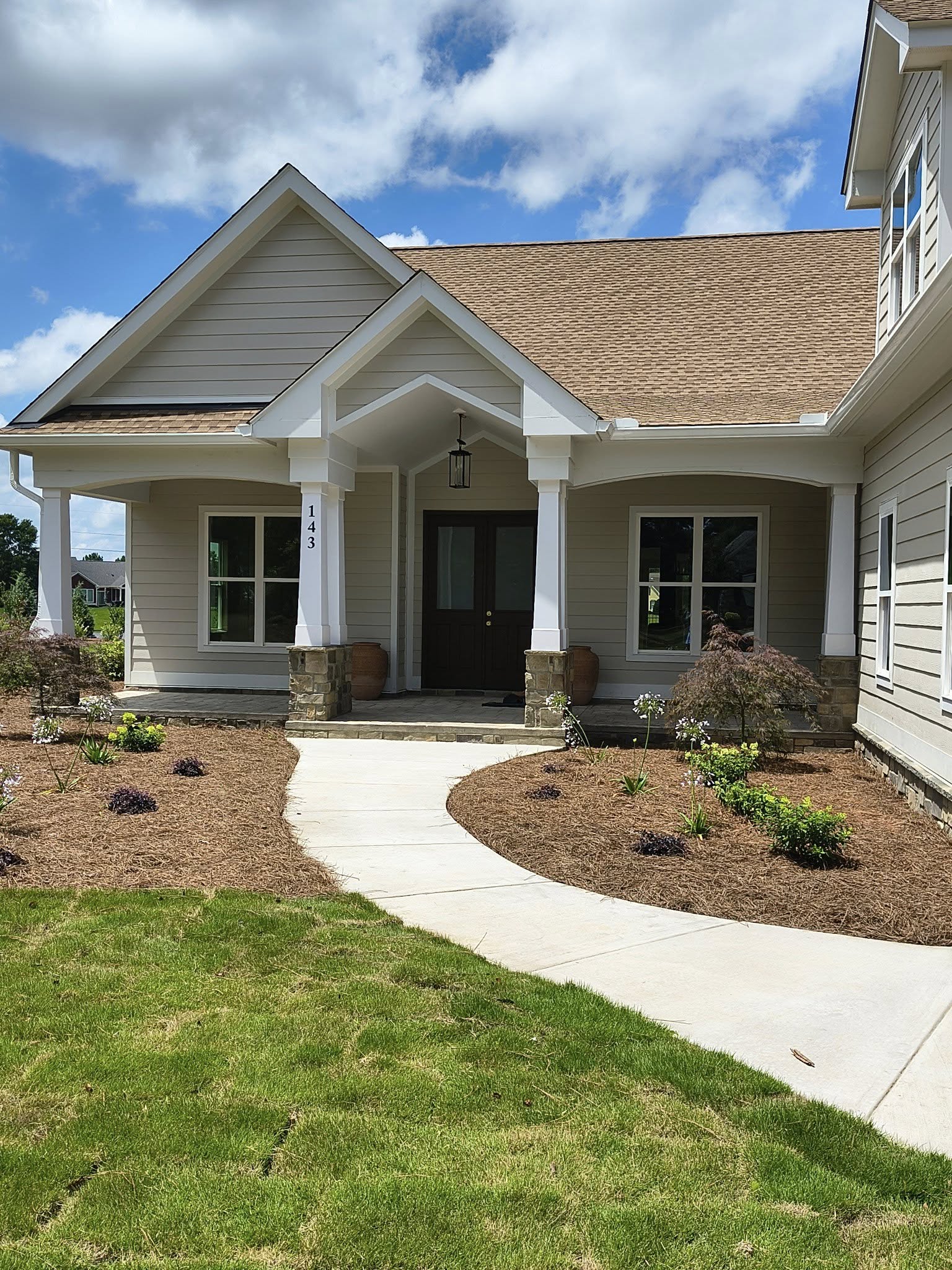
Integrating Wellness: How Holistic Design Shapes Modern Homes Jun 26, 2026
Holistic design in home construction is all about creating balance and harmony within a space. It involves considering how various aspects of a home affect a person’s overall wellness. From the materials used to the angles of natural light that fill a room, every element is thoughtfully chosen to enhance peace and tranquility. This approach not only creates beautiful living environments but also promotes good health, relaxation, and general well-being.
One of the core principles of holistic design is integrating nature within living spaces, commonly known as biophilic design. This involves incorporating natural elements such as indoor plants, water features, and natural light to create a soothing atmosphere. Such elements not only improve air quality but also reduce stress and increase creativity. Batchelor Construction's new homes often feature large windows and open spaces that allow for plenty of natural light and seamless indoor-outdoor living.
Another key aspect is selecting building materials that are sustainable and free of harmful chemicals. Homeowners today are increasingly aware of the impact construction materials can have on health and the environment. Thus, opting for materials like bamboo, reclaimed wood, or non-toxic paints can significantly reduce the risk of indoor pollution and adverse health effects.
The layout and design of a home play a crucial role in creating a sense of well-being. Modern holistic design often involves creating spaces that are both functional and flexible, allowing for areas that can be adjusted for different activities. This can include open floor plans that encourage togetherness and collaboration while also providing private spaces for relaxation and meditation. Batchelor Construction ensures that their designs provide the right balance between communal and personal areas, enhancing the homeowner's quality of life.
Incorporating technology that supports wellness is another modern shift in home design. Smart home devices can help monitor air quality, adjust lighting, and control room temperatures to create the perfect environment at any time of the day. These smart systems contribute to a home's efficiency and enhance comfort, allowing for a personalized experience that caters to individual wellness needs.
Finally, a crucial component of holistic design is the personalization of spaces. Each person has unique preferences and needs that contribute to their sense of home. Designing with personalization in mind not only makes a space feel more welcoming but also maximizes comfort and functionality. At Batchelor Construction, understanding these personal preferences helps craft homes that are a true reflection of their inhabitants, providing environments where individuals can thrive.
In conclusion, integrating wellness through holistic design is reshaping how modern homes are constructed. By focusing on natural elements, sustainable materials, intelligent layouts, and personalized spaces, Batchelor Construction creates homes that do more than just shelter; they nurture and support the well-being of those who reside within them. As we continue to prioritize health in all areas of our lives, holistic home design will undoubtedly play a pivotal role in the future of residential architecture.
/filters:no_upscale()/filters:format(webp)/media/SKFITLMY4WH3PAOJP1KVI4AI1VJUOB338T72BNQ8.jpeg)